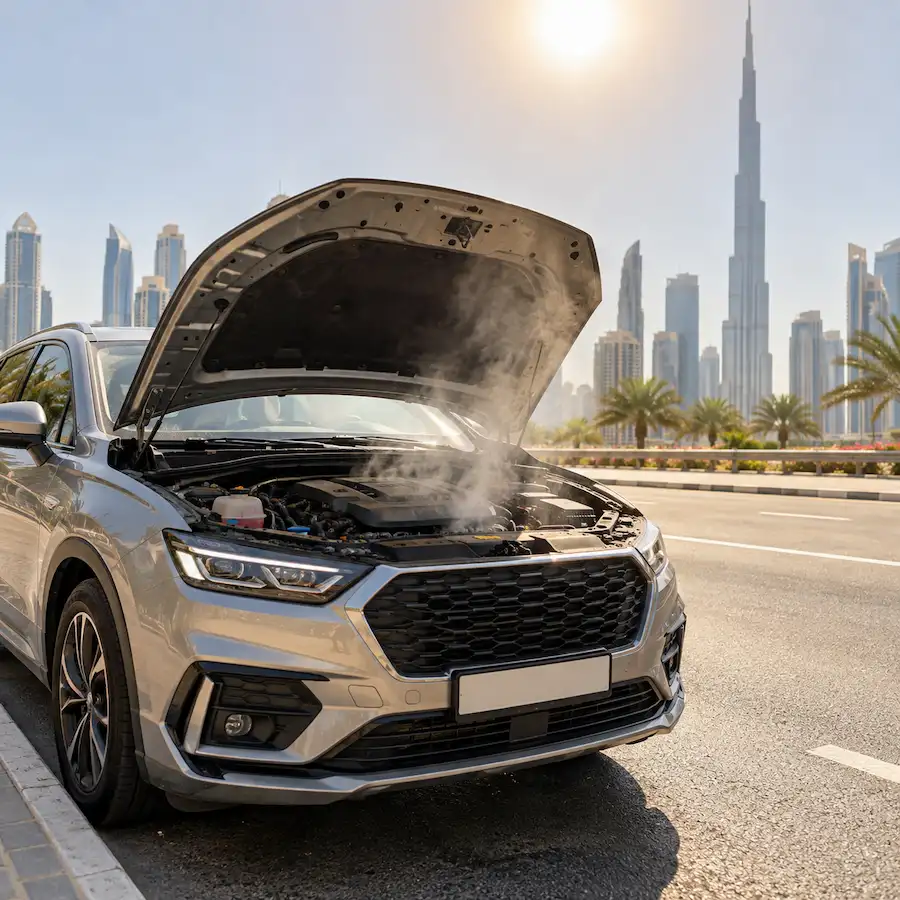
Your car may overheat in Dubai due to extreme heat, low coolant, a faulty radiator, or a broken cooling fan. Pull over safely, turn off the engine, and let it cool before checking the coolant. If the problem continues, get your car checked by a mechanic.
Extreme heat can shorten car battery life, and drivers in Dubai may also experience engine overheating during summer traffic and long journeys. If a battery fails, car battery replacement in Dubai can help restore starting performance, but an overheating engine usually requires a separate cooling system inspection. Low coolant, radiator problems, and faulty cooling fans are common issues that drivers should address before serious engine damage occurs.
1. Low Coolant Levels or Coolant Leaks
Coolant absorbs engine heat and transfers it to the radiator. When levels fall, the engine may become too hot, particularly during long drives in Dubai.
Common warning signs:
- The temperature gauge rises above normal.
- Coolant collects beneath the parked car.
- Steam appears under the bonnet.
- A coolant warning light illuminates.
How to fix it:
- Let the engine cool completely before checking coolant levels.
- Inspect hoses and connections for visible leaks.
- Use the coolant recommended by the manufacturer.
- Arrange a pressure test if coolant keeps disappearing.
Never open the radiator cap while the engine is hot because pressurized coolant can cause severe burns.
2. A Faulty Radiator or Cooling Fan
The radiator releases engine heat, while the cooling fan helps maintain airflow when the vehicle is stationary. Heavy traffic and high outdoor temperatures can make a faulty fan more noticeable.
Signs to watch for:
- The engine overheats while idling.
- Temperature rises at traffic signals.
- The radiator has blocked fins or restricted airflow.
- The cooling fan does not operate when required.
How to fix it:
- Have a mechanic inspect the radiator for blockages.
- Test the fan motor, relays, and electrical connections.
- Clean external radiator obstructions safely.
- Replace faulty components when necessary.
If your car overheats mainly in traffic but runs cooler at highway speeds, the cooling fan or airflow deserves attention.
3. A Stuck Thermostat
The thermostat controls coolant circulation between the engine and radiator. When it becomes stuck closed, coolant flow can become restricted and engine temperature may rise rapidly.
Common symptoms:
- The temperature gauge climbs quickly.
- The engine overheats during ordinary driving.
- Temperature readings fluctuate unexpectedly.
- A high-temperature warning appears.
How to fix it:
- Ask a mechanic to test the thermostat.
- Replace it if it is defective.
- Check for trapped air after cooling system repairs.
- Avoid driving while the engine remains dangerously hot.
4. Water Pump Failure or Damaged Belts
The water pump circulates coolant throughout the engine. A damaged pump or worn drive belt, where applicable, can prevent proper circulation and cause overheating.
Possible warning signs:
- Coolant leaks near the pump.
- Grinding or whining noises.
- Repeated overheating during longer journeys.
- A loose or damaged drive belt.
How to fix it:
- Have the pump and relevant belts inspected.
- Replace damaged parts according to manufacturer guidance.
- Check coolant circulation before returning to normal driving.
Ignoring these problems can lead to expensive engine repairs.
5. Heavy Traffic and Dubai’s Extreme Heat
High outdoor temperatures increase the cooling system’s workload. Long periods of idling, congested roads, and extended journeys can expose existing cooling system problems.
Consider a typical scenario: a driver travelling through Sheikh Zayed Road traffic on a hot afternoon notices the temperature gauge climbing while stationary. Once traffic clears, the reading begins to fall. This pattern can indicate a cooling fan or airflow problem, although an inspection is needed to confirm the cause.
What drivers should do:
- Monitor the temperature gauge during long journeys.
- Check coolant levels when the engine is cold.
- Maintain the cooling system before summer trips.
- Stop safely if the temperature enters the danger zone.
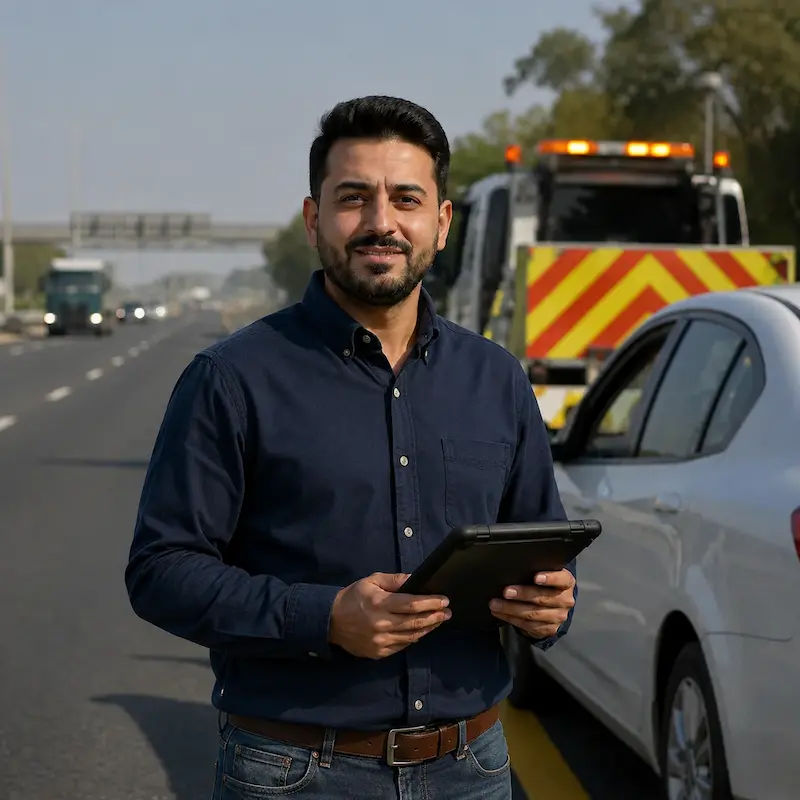
- Arrange roadside assistance instead of continuing to drive.
This is an illustrative real-world scenario, not a verified customer testimonial.
6. Can Engine Overheating Affect Your Car Battery?
Dubai’s high temperatures can shorten battery life, particularly when vehicles remain parked outdoors. However, engine overheating does not automatically mean the battery has failed. Signs your car battery is over heating include a swollen battery case, a rotten egg smell, leaking fluid, or unusual heat around the battery. If you notice these warning signs, avoid touching the battery and arrange a professional inspection immediately.
Watch for these signs:
- Slow engine cranking.
- Clicking sounds when starting.
- Dim headlights or dashboard lights.
- Repeated battery discharge.
If the car will not start after an overheating incident, the problem could involve the battery, alternator, starter, or another electrical component.
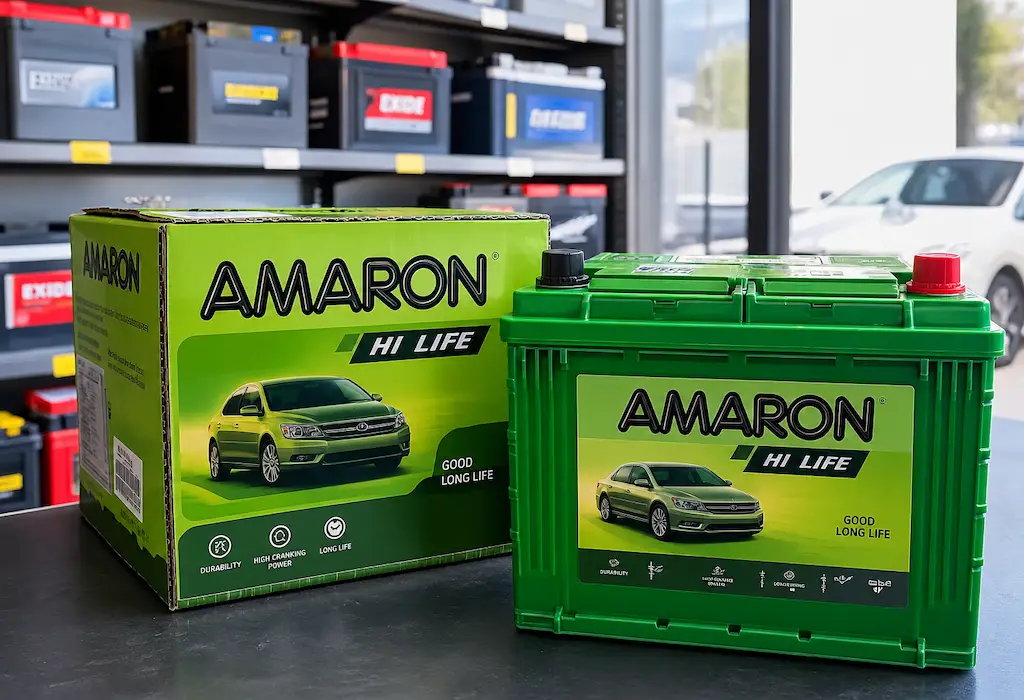
A battery and charging system test can identify the cause. If testing confirms battery failure, car battery change in Dubai is a relevant option for drivers needing battery assistance. Replacing the battery will not fix an engine cooling problem, so both systems should be assessed separately when necessary.
7. How to Prevent Car Overheating in Dubai
Regular maintenance can reduce the risk of unexpected overheating and roadside breakdowns.
Follow these preventive steps:
- Check coolant: Inspect the reservoir when the engine is cold.
- Maintain the radiator: Arrange inspections for blockages and restricted airflow.
- Inspect hoses and belts: Replace damaged components promptly.
- Monitor temperature: Respond immediately to warning lights.
- Schedule servicing: Follow the manufacturer’s maintenance recommendations.
- Avoid continued driving: Stop safely when overheating occurs.
Never remove a hot radiator cap or pour cold water over a hot engine.
Frequently Asked Questions
Why does my car overheat in Dubai traffic?
A faulty cooling fan, low coolant, a blocked radiator, or a failing thermostat can cause overheating. High outdoor temperatures may make these faults more noticeable.
Can I drive when my car engine overheats?
No. Stop safely when the temperature enters the danger zone or a high-temperature warning appears. Continuing to drive can cause serious engine damage.
Does engine overheating mean I need a new battery?
No. Engine overheating and battery failure are different problems. However, excessive heat can shorten battery life, so test the battery if starting problems develop.
How can I identify a coolant leak?
Look for falling coolant levels, visible puddles, steam, or warning lights. Check only after the engine has cooled completely and arrange an inspection if coolant loss continues.
How can I prevent overheating during Dubai summers?
Maintain coolant levels, inspect the radiator and hoses, and follow the vehicle manufacturer’s service schedule. Stop driving if the engine temperature becomes unsafe.
When should I call for roadside assistance?
Seek assistance if the engine repeatedly overheats, coolant leaks, steam appears, or a temperature warning remains active. If the vehicle later fails to start, request a separate battery and charging system assessment.
Conclusion
Car overheating in Dubai can result from low coolant, radiator problems, thermostat failure, water pump issues, or extreme driving conditions. Early diagnosis and regular maintenance help reduce the risk of expensive engine damage. If starting problems occur afterward, have the battery and charging system tested separately instead of assuming the battery caused the overheating.