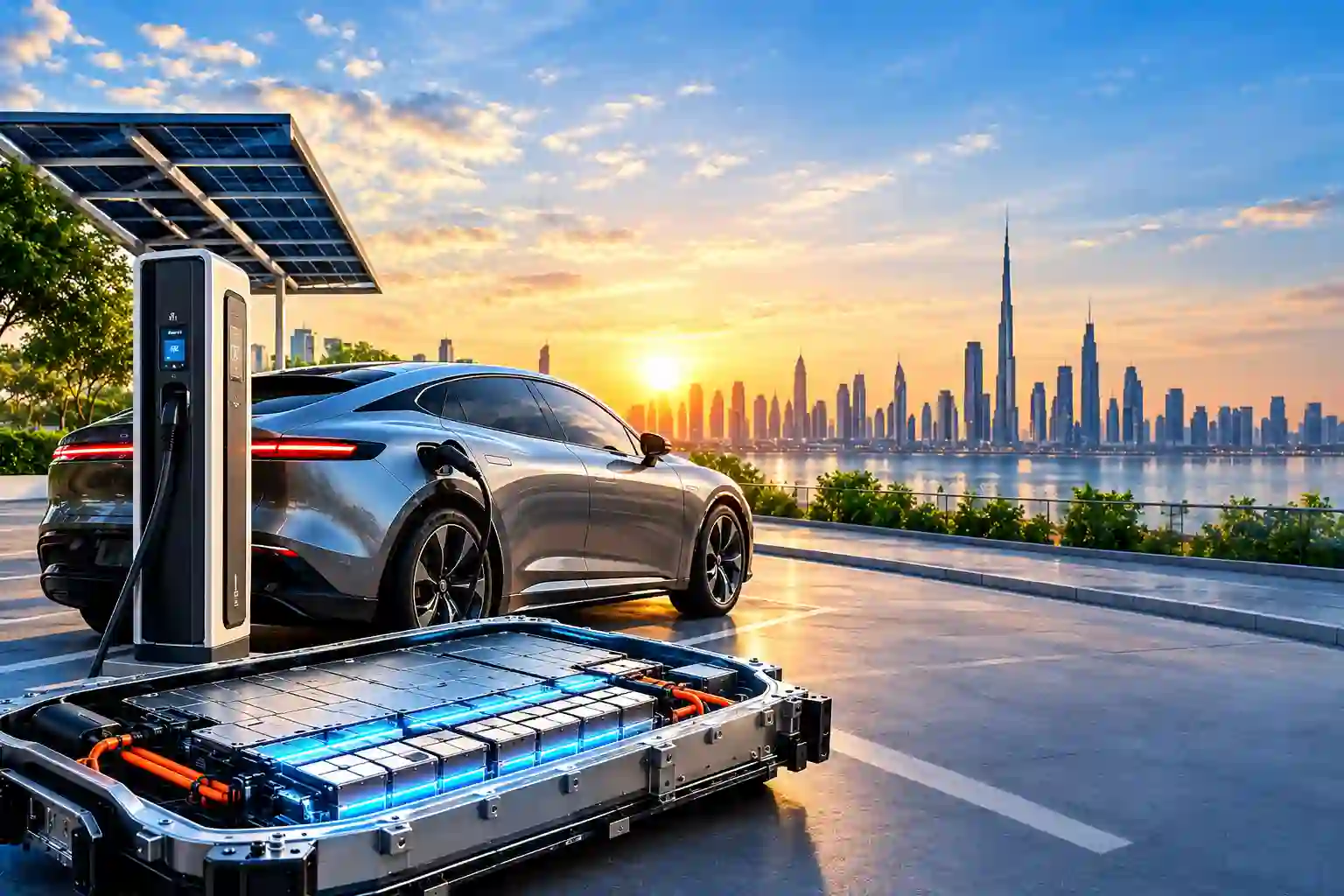
Global EV battery demand is projected to cross 3 terawatt-hours (TWh) by 2030 — a figure that would’ve sounded like science fiction a decade ago. But raw capacity isn’t the real story. The next wave of future EV battery technology predictions 2030 centers on something more interesting: how future electric cars manage energy, not just how much of it they carry.
In Dubai, where drivers rely heavily on their cars for daily travel, battery technology is evolving faster than ever. From solid-state cells to AI-driven power distribution, the batteries of 2030 will think, adapt, and even talk back to the grid. Whether you need a same-day car battery replacement in Dubai right now or want to understand where battery technology is headed, these changes matter more than ever.
The Shift Beyond Liquid Lithium-Ion
The solid-state batteries vs lithium-ion debate is finally moving from lab talk to production lines.
- Toyota has publicly targeted solid-state packs offering roughly 1,200 km of range with 10–15 minute fast charging.
- QuantumScape continues testing lithium-metal solid-state cells aimed at near-zero degradation over thousands of cycles.
- CATL is already shipping sodium-ion packs in budget EVs, prized for cold-weather resilience and lower raw-material cost.
- Mitsubishi is advancing sulfide-based solid-state electrolyte research, one of the toughest technical hurdles in the category.
By 2030, expect a split market: solid-state for premium range and speed, sodium-ion for affordable, cold-tolerant daily drivers.
AI-Driven Smart Energy Management (BMS)
A smart Battery Management System (BMS) won’t just monitor cells — it will actively manage them.
- Predictive cell isolation: AI models will detect degrading cells in real time and reroute load around them, extending usable battery life by up to 25%.
- Predictive thermal pre-conditioning: Using live navigation and weather data, the BMS will warm or cool the battery before you reach a charger, cutting charge times and preserving cell health.
This shift turns the battery from a passive power source into an active, self-correcting system.
Structural Integration: Cell-to-Chassis Architecture
Cell-to-Chassis (CTC) architecture removes the modular casing that currently wraps battery packs and integrates the cells directly into the car’s frame. The result:
- Lower overall vehicle weight
- Improved aerodynamics from a flatter, lower profile
- More room for active battery material in the same footprint
Fewer structural layers between the cell and the chassis means more energy density without a larger battery.
High-Voltage Systems and Vehicle-to-Grid (V2G)
The move to 800V+ electrical systems reduces heat buildup, allows thinner (lighter, cheaper) wiring, and cuts energy waste during both driving and charging.
Paired with this is Vehicle-to-Grid (V2G) technology — bi-directional charging that lets future EVs feed stored power back into homes or the grid during peak demand, effectively turning every car into a mobile battery bank.
Why Jumpstart Service in Dubai Still Matters
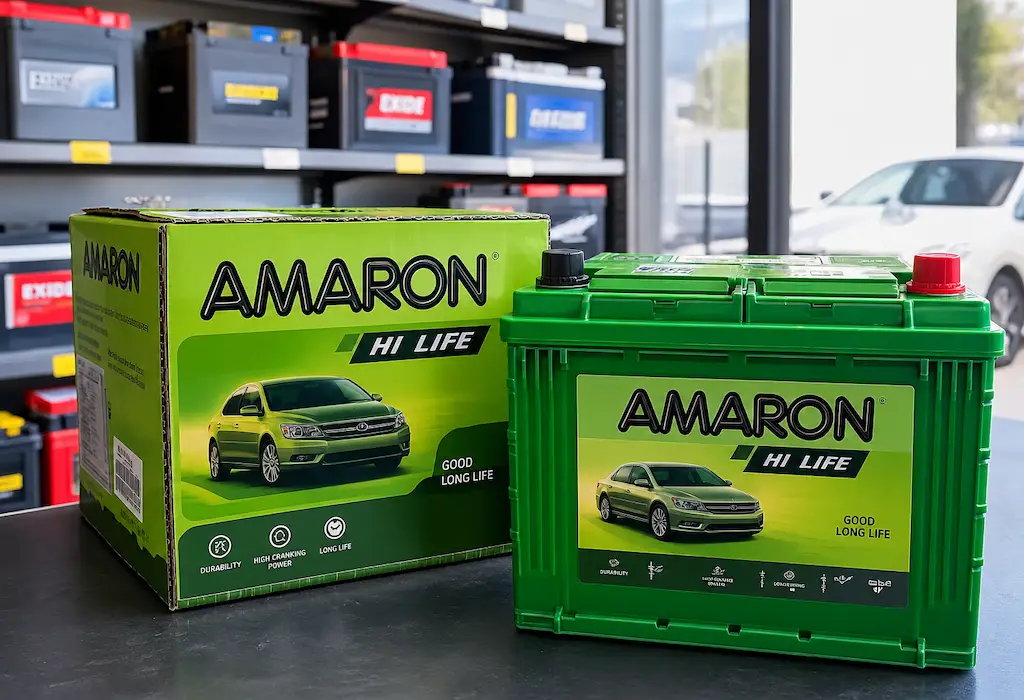
Of course, this high-voltage future won’t arrive overnight. Most cars on Dubai’s roads today still run on conventional 12V lead-acid batteries, which is exactly why a reliable jumpstart service in Dubai remains essential — these systems will be keeping everyday vehicles running long after solid-state and V2G tech become mainstream.
2030 Battery Tech: Present vs. Prediction
| Metric | Present (2025) | 2030 Prediction |
|---|---|---|
| Charging Time | 30–45 min (10–80%) | 10–15 min (solid-state) |
| Primary Material | Liquid lithium-ion (NMC/LFP) | Solid-state + sodium-ion mix |
| Energy Control | Reactive BMS (monitors only) | Predictive AI-BMS (pre-conditions, isolates cells) |
| Grid Interaction | One-way (grid → car) | Bi-directional (V2G/V2H) |
FAQs
- Will solid-state batteries fully replace lithium-ion by 2030? Unlikely entirely — expect a hybrid market where solid-state leads premium models and sodium-ion/lithium-ion cover budget and mid-range EVs.
- What is Cell-to-Chassis (CTC) architecture? A design approach that builds battery cells directly into the car’s structural frame instead of housing them in a separate modular pack, saving weight and space.
- Can future EVs really power a home through V2G? Yes — bi-directional charging already exists in early forms today; by 2030 it’s expected to be a standard feature on most new EVs.
- Are sodium-ion batteries a good fit for hot climates? They’re mainly known for cold-weather resilience, but their lower cost and thermal stability also make them a practical option for hot-climate daily driving.
- Do older EVs need a battery replacement before 2030 tech arrives? Yes — today’s EV and 12V batteries still degrade on normal timelines, so routine replacement and jump-start support remain necessary in the meantime.
Conclusion
By 2030, the EV conversation shifts from “how big is the battery” to “how smart is the system around it.” Solid-state chemistry, predictive AI-BMS, Cell-to-Chassis design, and V2G connectivity will redefine what a car battery actually does. The bigger open question isn’t whether the technology will be ready — it’s whether charging infrastructure and grid systems can keep pace with it.