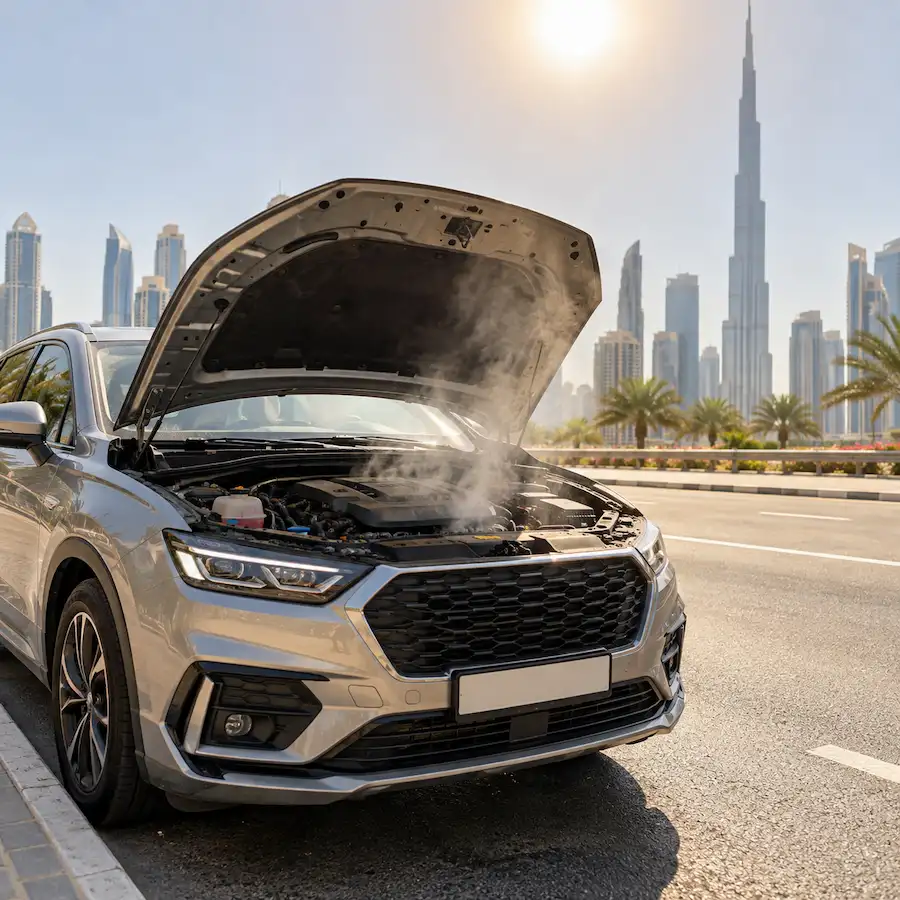
Your car won’t start on a busy Dubai road, or it starts and then cuts out a few minutes later. The first guess is usually a “dead battery.”
Sometimes that’s right, but a faulty alternator can cause similar symptoms. Before getting a car battery replacement in Dubai, it’s important to identify which part is actually causing the problem.
Here’s how to tell the two apart, what you can test yourself, and what else gets mistaken for them.
What the Battery and Alternator Actually Do
Think of the battery as storage and the alternator as the generator.
The battery gives the starter motor the power to crank the engine, and it runs the electrics while the engine is off. Once the engine is running, the alternator takes over. It powers the car and recharges the battery as you drive.
If the battery is weak, the car struggles to start. If the alternator is weak, the battery never gets topped up, so it eventually runs flat.
That’s why one problem so often looks like the other.
Signs It’s the Battery
A failing battery usually shows up at the moment you try to start the car. Look for:
- A slow, labouring crank, or a rapid clicking sound
- Dim headlights and interior lights before you start the engine
- A car that starts fine after a jump start and then runs normally
- A battery that’s three to five years old. In Dubai, heat tends to shorten that
- A swollen case or corroded terminals
If the car runs fine once it’s going but won’t restart after it’s been off for a while, the battery is the likely culprit.
Signs It’s the Alternator
A failing alternator usually shows up while you’re driving. Watch for:
- The car dies while driving or soon after a jump start
- Headlights that dim or flicker when the engine is running, then brighten when you rev
- A battery or charging warning light on the dashboard
- A whining or grinding noise from the engine bay
- A burning smell from the belt or wiring
- Electrical items acting strangely, such as slow windows or a glitchy screen
- A brand-new battery that goes flat again within days
Modern cars lean heavily on their electrical systems, and that load is only growing as future cars manage energy more actively. It makes a healthy charging system matter even more.
In many cars, a single drive belt runs both the alternator and the water pump. So a worn belt can trigger a battery warning light and overheating together. If your temperature gauge is climbing too, our guide on why cars overheat in Dubai covers the common causes.
Simple Tests You Can Try
You don’t need to be a mechanic. These three checks give a good first answer.
The jump start test
Jump-start the car, then remove the cables.
- If it keeps running and restarts later, the battery was probably just flat or ageing.
- If it dies soon after, the alternator likely isn’t charging.
If you’d rather not run this test yourself, a jump start from a mobile team can do it with proper equipment, and it’s safer for modern cars.
The headlight test
With the engine off, turn the headlights on. Dim lights suggest a weak battery.
Then start the car and rev the engine gently. If the lights get noticeably brighter, the alternator may be struggling at idle.
The voltage test
A multimeter makes this very clear, if you have one.
- Engine off: a healthy battery reads roughly 12.4 to 12.6 volts.
- Engine running: the reading should rise to roughly 13.5 to 14.5 volts.
A reading that stays low with the engine running points to the alternator. A low reading with the engine off points to the battery. Hybrids and EVs work differently, so check the owner’s manual before testing those.
One old trick to avoid: disconnecting the battery while the engine is running. It can damage the electronics in modern cars.
Other Problems That Get Mistaken for These Two
Not every no-start is the battery or the alternator. These are common look-alikes:
- A failing starter motor. The lights stay bright, but you hear a single click or nothing when you turn the key.
- Loose or corroded terminals. The battery may be fine, but power can’t get through.
- A worn drive belt. It can stop the alternator from spinning properly.
- A blown fuse or bad connection.
- A drain on the battery. Something keeps drawing power while the car is off.
- A flat key fob battery. Some push-start cars won’t respond without it.
If the symptoms don’t match either part clearly, get it checked rather than guessing.
What to Do Next
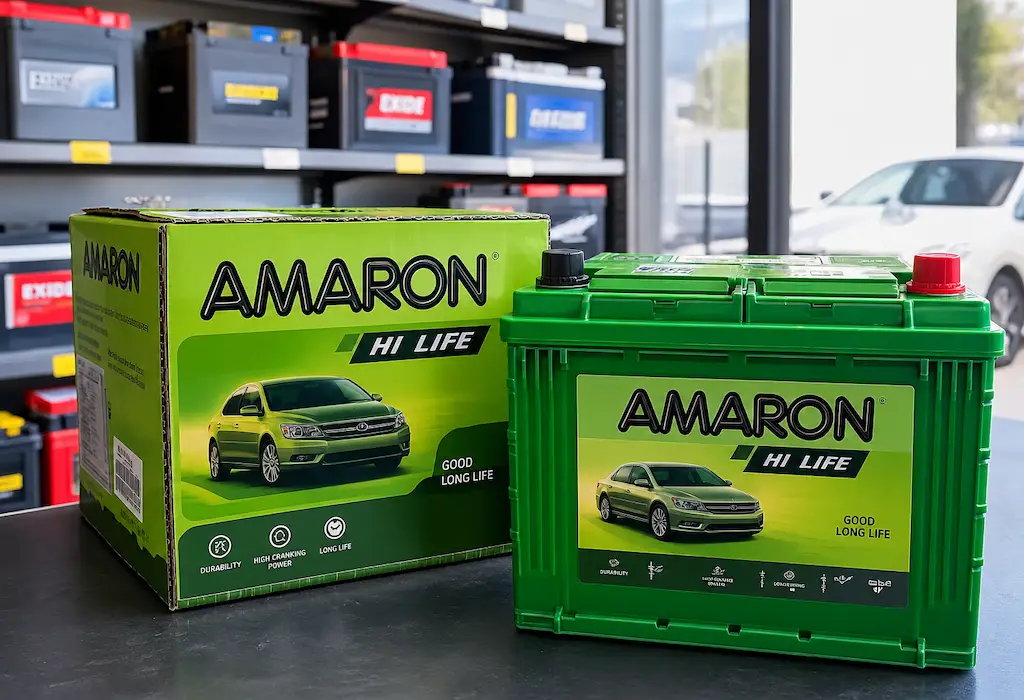
If the battery is the problem, replacing it is usually the fix. You can choose a new battery from one of the brands we stock, and it can be fitted on the spot.
If the tests point to the alternator, that’s a garage job. It’s still worth confirming the battery is healthy first, since a weak alternator often leaves a battery damaged.
Getting it wrong costs money either way. A quick check first avoids buying a battery you don’t need.
Not Sure Which One It Is? We’ll Check
If you need a car battery service in Dubai that comes to you, our team tests the battery on-site, jump-starts the car if needed, and replaces the battery if it’s finished. We cover the city 24/7.
For car battery replacement in Dubai, send us your location and car details, or call us on +971 55 843 0040.
Frequently Asked Questions
Can a bad alternator kill a new battery?
Yes. If it isn’t charging properly, even a new battery can drain quickly.
Can I keep driving with a failing alternator?
Only briefly. The car runs on the battery until it’s empty, then it stops, so it’s best to get it checked straight away.
Can a weak battery damage the alternator?
It can add strain, since the alternator works harder to recharge a heavily drained battery.
How long does a car battery last in Dubai?
Typically 3 to 5 years. Heat shortens battery life.