Growth in the UAE car battery market in 2026 is being driven by replacement, not first-fit supply. Batteries installed three to four years ago are reaching the end of a normal Gulf service life, which is why demand for car battery replacement in Dubai and the northern Emirates keeps climbing while vehicles stay on the road longer. Heat, short daily trips, and heavier onboard electronics are all shortening the replacement cycle.
How the UAE Car Battery Market Is Changing in 2026
The UAE car battery industry is shifting structurally. A large share of battery volume now flows through the automotive aftermarket rather than new-car assembly, because the installed vehicle base is bigger than annual sales growth. Owners also expect faster service: roadside and mobile fitting has moved from a convenience to a baseline expectation. Rather than quoting a forecast figure, the honest read is directional, replacement battery demand tracks fleet size and fleet age, and both are rising.
What Is Driving Car Battery Replacement Demand in the UAE?
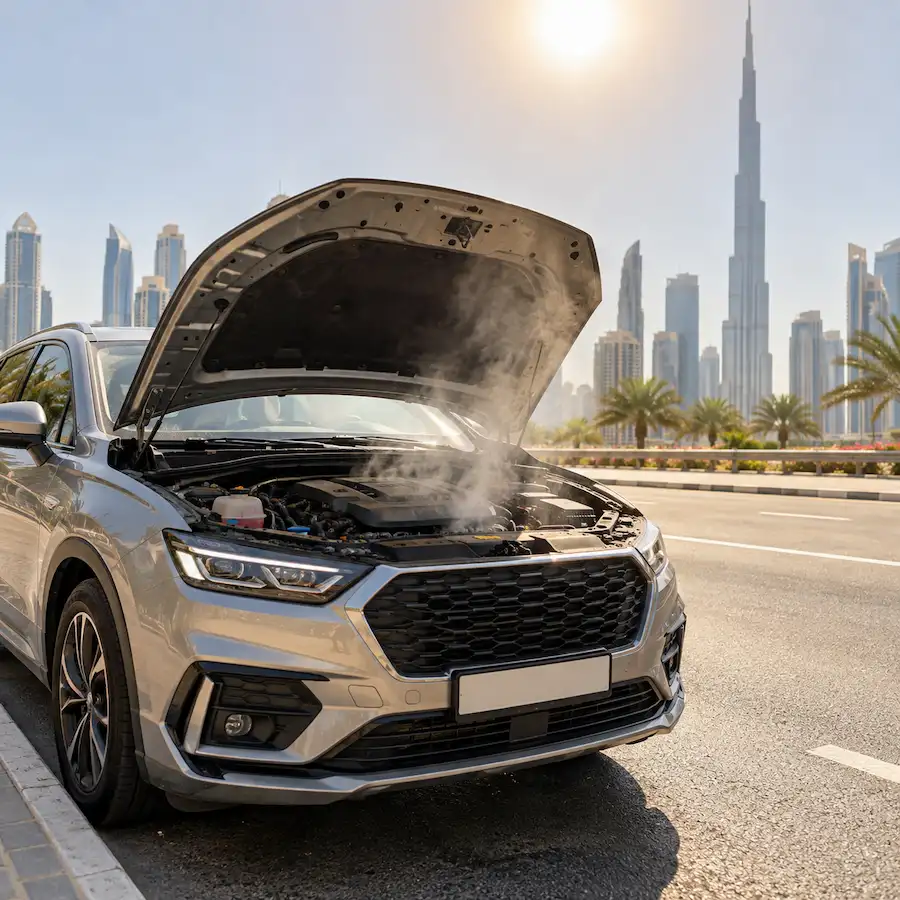
Ambient heat is the main accelerant. High temperatures speed up grid corrosion and electrolyte loss, which is why vehicle battery lifespan here is commonly two to three years instead of the four to five seen in milder climates.
Three usage patterns add to it:
- Short urban trips that never fully recharge the battery
- Long idling with air conditioning, drawing current at low alternator output
- Parked vehicles losing charge to always-on modules and trackers
Most failures are gradual capacity loss, not sudden death — the car cranks slowly for weeks before it stops starting.
How Battery Technology Is Changing Consumer Choices
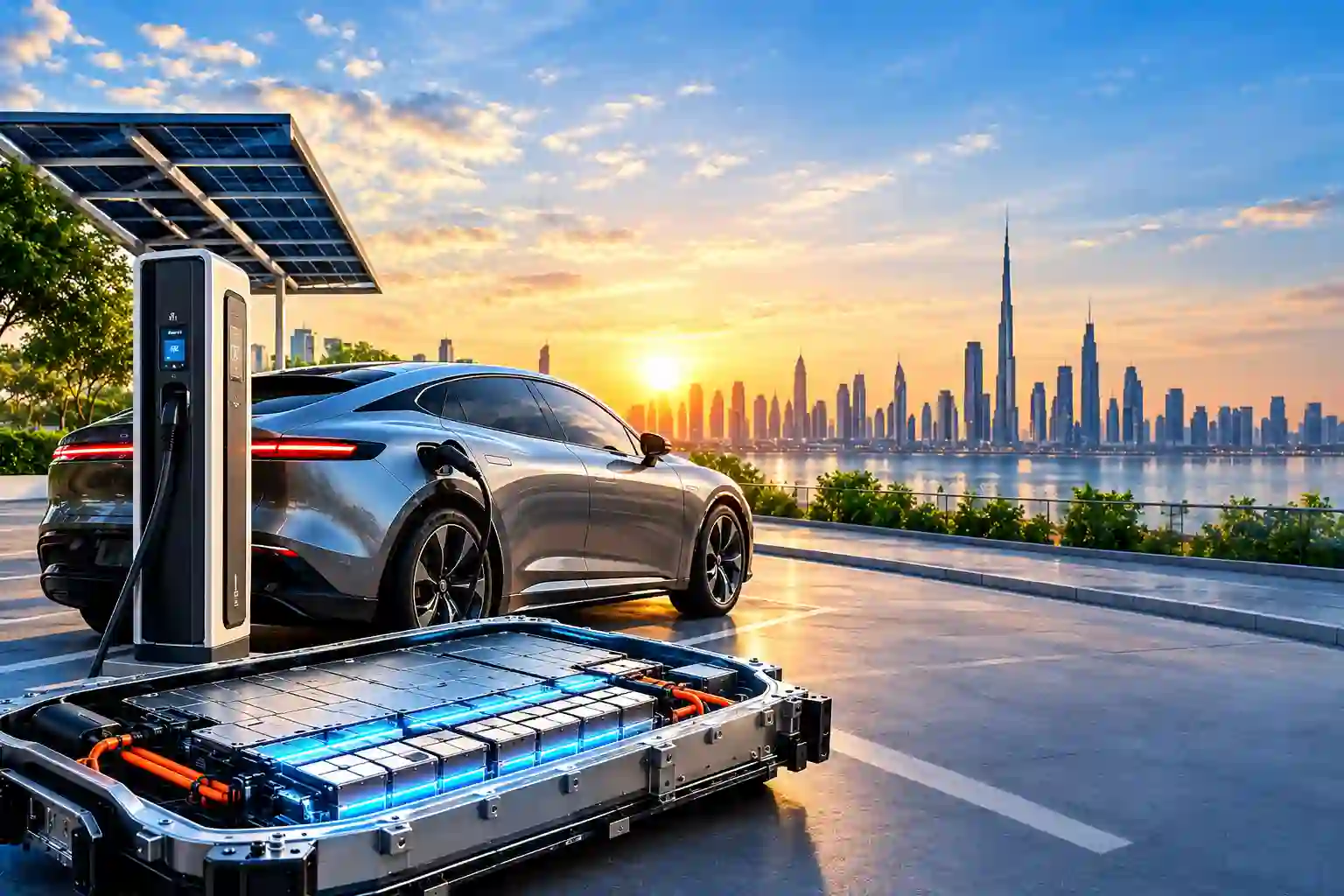
Conventional flooded batteries no longer suit every car. Start-stop systems need EFB or AGM units built for repeated shallow cycling, and AGM batteries handle vibration and heat better. Many newer vehicles also require the replacement to be registered with the battery management system, otherwise charging stays mismatched. Battery selection has become vehicle-specific rather than a matter of picking a size that fits the tray.
What Makes a Car Battery a Suitable Choice in the UAE?
There is no single best car battery in UAE conditions — suitability depends on the vehicle and how it is used. Practical comparison points:
- Vehicle compatibility: group size, terminal position, hold-down type, and chemistry specified by the manufacturer
- CCA: meet or exceed the OEM rating; higher is not automatically better
- Reserve capacity: useful for cars with heavy electrical loads
- Manufacturing date code: a battery sitting in storage for months has already aged
- Warranty terms: check whether the coverage is pro-rata or full replacement
Where the UAE Automotive Battery Industry Is Heading
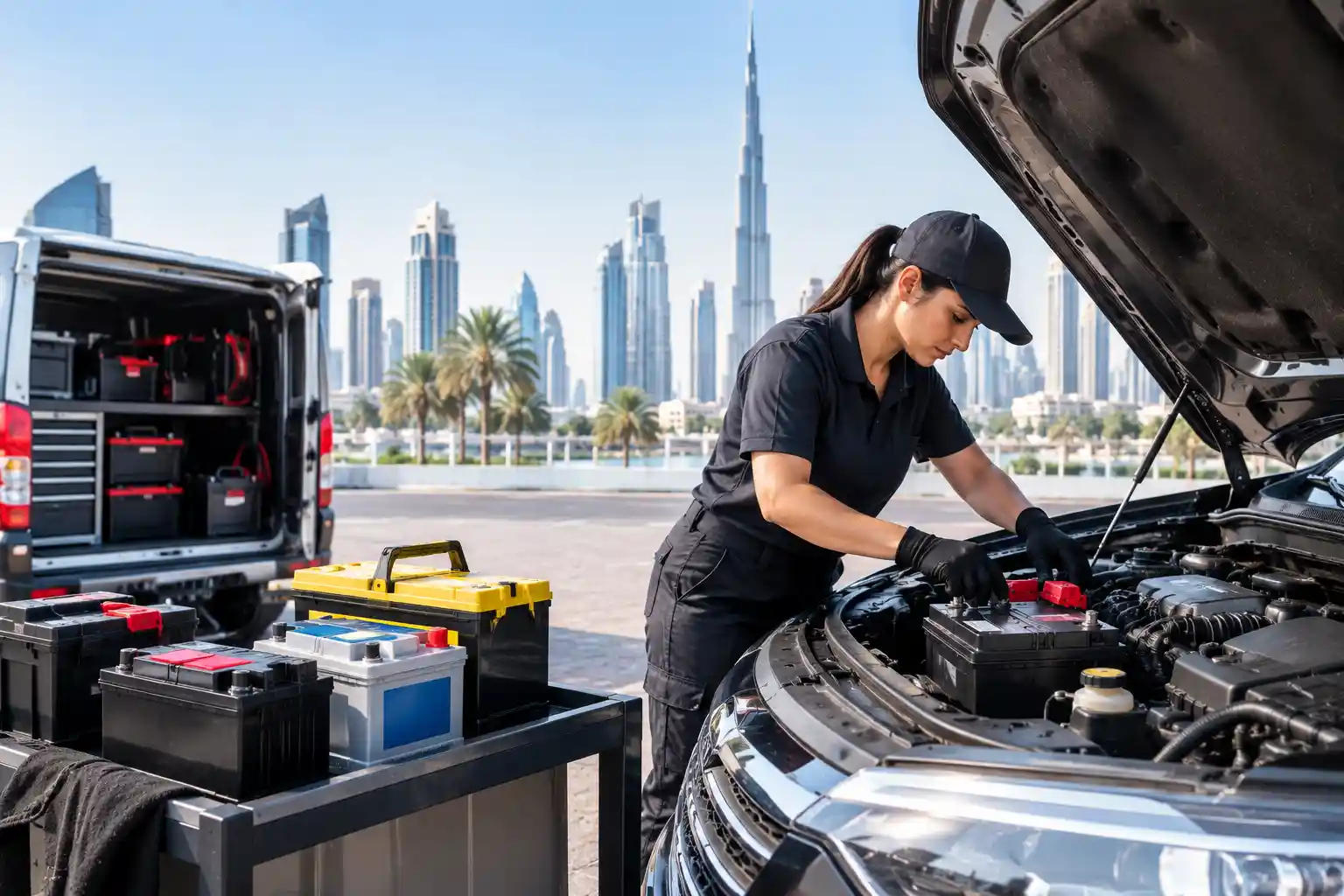
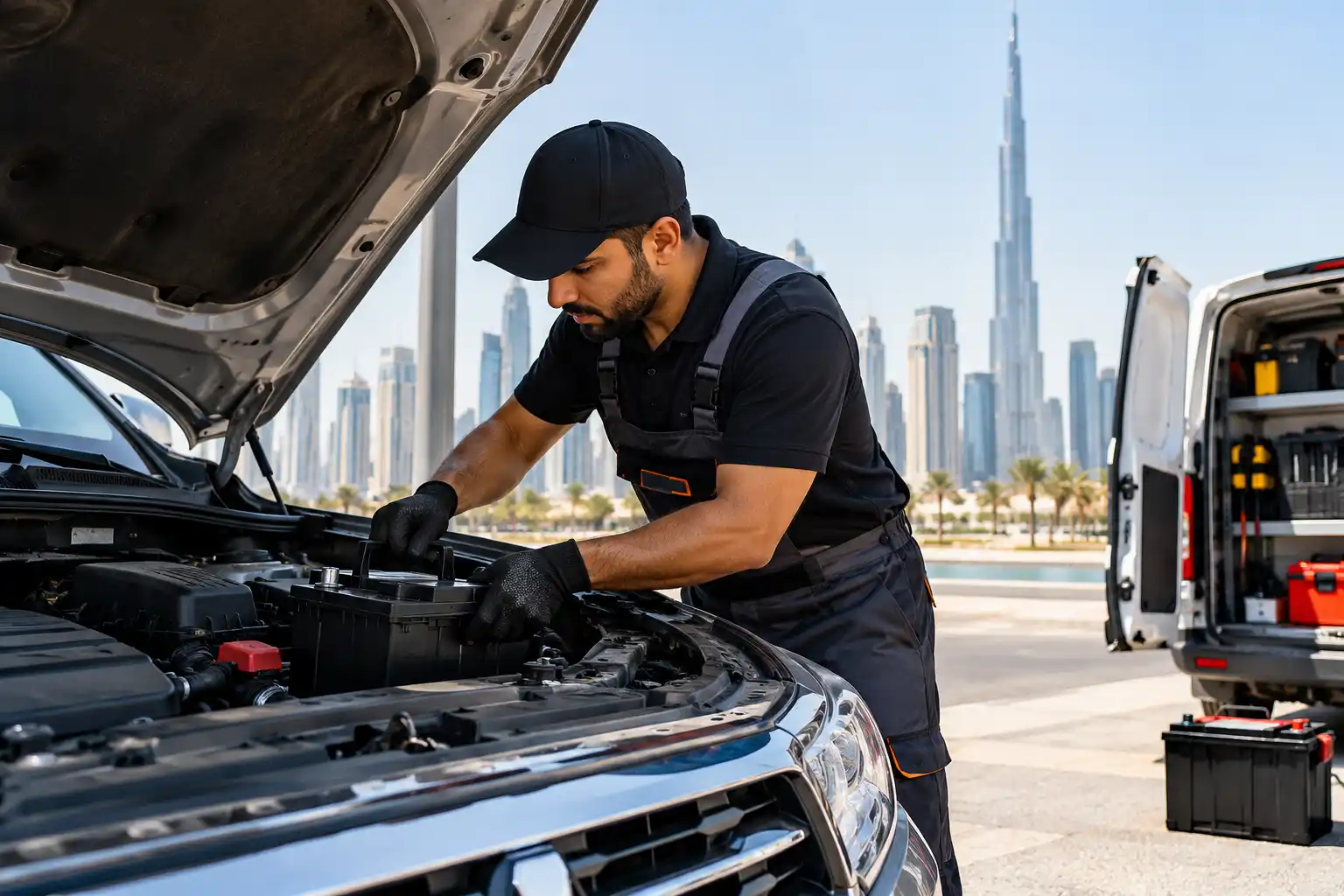
Three developments look durable: diagnostics-led selling, where a conductance test replaces guesswork; mobile replacement as a standard service channel; and a wider AGM and EFB product mix as more start-stop cars enter the used market. Battery recycling and trade-in handling are also becoming part of the service conversation. These threads sit inside the broader story of UAE automotive battery industry intelligence and market evolution, which tracks how supply, technology, and consumer behaviour are moving together.
FAQs
Why is car battery replacement demand increasing in the UAE?
The vehicle fleet is large and ageing, and heat shortens battery life. More cars reach replacement age each year than new-vehicle sales add to the total.
How long does a car battery typically last in UAE conditions?
Two to three years is common. Heat, frequent short trips, and long idling can push failure closer to the 18-month mark.
What should drivers consider when choosing a battery?
Match the manufacturer’s specification first — size, terminal layout, chemistry, and CCA — then compare reserve capacity, date code, and warranty.
Are newer vehicles changing the type of battery needed?
Yes. Start-stop and high-electronics vehicles generally require EFB or AGM units, and many need BMS registration after fitting.
What is shaping the market in 2026?
Replacement-led demand, a growing AGM share, mobile fitting, and proper battery testing before sale.